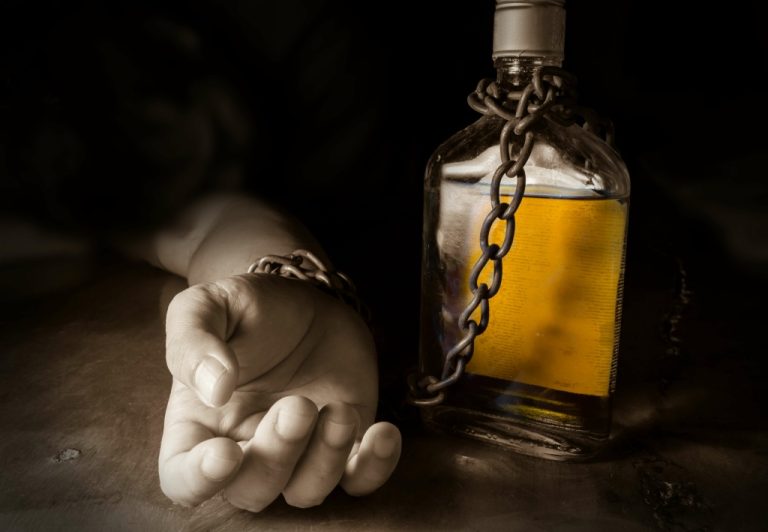
Alcohol Intolerance: Symptoms, Causes, and Management

Chronic hives can be very uncomfortable and interfere with sleep and daily activities. One idea is that our immune system is more resilient when we are young and can handle these foods better in our early years. Another is that an event such as using antibiotics, a period of high stress, or other health-related issues can also trigger an intolerance. Excessive drinking has numerous impacts on your body and mind, ranging from mild to severe. Symptoms of an allergic reaction to LTP usually appear within minutes and include swelling, itchiness, digestive problems, breathing difficulties and, in extreme cases, anaphylaxis.

sudden onset alcohol intolerance

Begin Your Journey to Recovery

  • Cleveland Clinic’s health articles are based on evidence-backed information and review by medical professionals to ensure accuracy, reliability, and up-to-date clinical standards.
  • This also includes being mindful of alcohol in foods and over-the-counter products.
  • It’s essential to differentiate between alcohol intolerance and other respiratory conditions to ensure appropriate treatment.
  • These factors include age, genetic predisposition, pre-existing health conditions, and excessive alcohol consumption.

Another contributing factor can be the development of an underlying medical condition that affects liver function or gut health. Liver diseases, such as hepatitis or cirrhosis, can impair the liver’s ability to metabolize alcohol effectively. Even medications, particularly antibiotics or antifungals, can interfere with alcohol metabolism, causing a temporary or even persistent intolerance. One of the key characteristics of alcohol intolerance is the sudden onset of symptoms after consuming alcohol. These symptoms may include feeling very sick, experiencing nausea, vomiting, headaches, or having a serious allergy-like reaction.

How Drugs That Block Opiate Effects Work

Even in most anecdotal cases, the inability to drink as much often seemed to be related to fatigue or other long-COVID symptoms. The best-known condition to cause alcohol intolerance is Hodgkin’s lymphoma; however, other Alcohol Intolerance conditions may also cause it. Alcohol intolerance is still normally uncommon in people with these types of conditions.

How Sudden Alcohol Intolerance Impacts Quality of Life

No, histamine intolerance isn’t an allergy, even though some think it shares symptoms of allergic reactions. It’s sometimes called a “pseudoallergy” since it looks similar to an allergy but has a different cause. Research suggests that older females are generally more sensitive to the effects of alcohol compared to males of the same age group. This increased sensitivity can manifest as intolerance to alcohol, leading to uncomfortable symptoms even with smaller amounts of consumption. One of the main causes of alcohol intolerance is an inactive or less-active form of the enzyme ALDH2.

  • These tests can help determine the specific cause of your alcohol intolerance and rule out other conditions that may present similar symptoms.
  • This rapid heartbeat is not typically dangerous unless an underlying health condition exists.
  • This occurs when your heart beats faster than normal in response to the presence of alcohol in your system.

Treatment & Rehab

It is advisable to consult with a healthcare provider for personalized guidance on managing alcohol intolerance and addressing any related concerns. In addition to genetic factors, medications and certain diseases can also contribute to alcohol intolerance. Medications like metronidazole and disulfiram can interact with alcohol, leading to adverse reactions in some individuals. Furthermore, specific diseases such as Hodgkin’s lymphoma can impact the body’s ability to metabolize alcohol efficiently, resulting in intolerance 3. Genetic predisposition plays a significant role in determining an individual’s susceptibility to alcohol intolerance.

Understanding these impacts is crucial for individuals who experience sudden intolerance to alcohol. Understanding the symptoms of alcohol intolerance is crucial for individuals who may be experiencing sudden intolerance to alcohol. By recognizing and addressing these symptoms, individuals can make informed decisions about their alcohol consumption and prioritize their well-being. Alcohol intolerance refers to the body’s inability to effectively metabolize and tolerate alcohol, resulting in various symptoms after consuming alcoholic beverages.

Peripheral neuropathy treatment

  • For people who have alcohol intolerance due to a medication, stopping the medication will likely resolve the alcohol intolerance.
  • Genetic predisposition plays a significant role in determining an individual’s susceptibility to alcohol intolerance.
  • This increased sensitivity may be attributed to various factors, including differences in body composition, hormonal changes, and the way alcohol is metabolized.
  • Alcohol intolerance and alcohol allergy both can have notable impacts on a person’s daily life.

The combination of reduced enzyme activity, slower liver function, and potential medication interactions can all add up, making your body more sensitive to alcohol. As always, if you suddenly experience any of these symptoms after drinking alcohol, you should consult with a licensed medical practitioner for a proper diagnosis. Alcohol intolerance is a physiological condition where an individual experiences adverse reactions to consuming alcohol. Ultimately, you can still drink with an intolerance as long as you are aware of the risks and take proper precautions. If you are concerned that your alcohol intolerance is causing you to feel uncomfortable, then it is recommended that you speak with your primary health care provider to get a proper diagnosis.

What is Sudden Onset Alcohol Intolerance?

If you are experiencing symptoms of alcohol intolerance, it’s important to talk to your healthcare provider about possible causes and treatment options. While true alcohol allergies are rare, sensitivities to ingredients commonly found in alcoholic beverages are quite common and can mimic the symptoms of alcohol intolerance. Common culprits include histamines and sulfites, which are often present in wine and beer.

Recovery Begins Here

When there is not enough ALDH in the body, acetaldehyde builds up and causes a range of symptoms. It’s important to note that while alcohol intolerance is more commonly found in individuals of East Asian descent, anyone can have the enzyme deficiency that causes alcohol intolerance. Genetic factors play a significant role in the development of alcohol intolerance, and they can vary among different populations. Navigating alcohol intolerance can sometimes be challenging, especially when it comes to social situations and societal expectations.

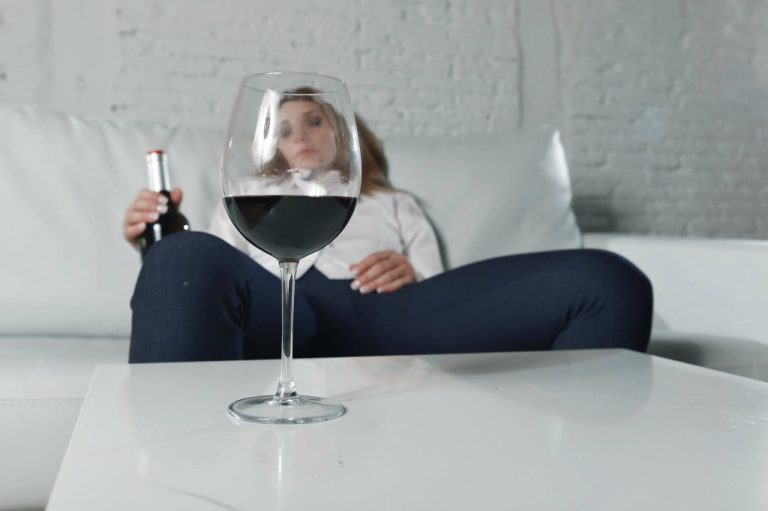
Drink Wine or Drink Nothing? Science Questions

All alcoholic drinks are dehydrating drinks which when ingested absorb a lot of the water that has been retained in the body. Wine interferes with the functionality of the body as far as water retention is concerned. This effect gives you an urge to urinate more frequently thus losing large amounts of water.

Related Content

does red wine dehydrate you

6 In other words, subjects peed less relative to their fluid intake two hours after consuming these drinks compared to water. And while the non-alcoholic fluids in beer, wine, and liquor are inherently hydrating, they’re not necessarily hydrating enough to offset the effects of alcohol-induced dehydration. Despite red wine being linked with some health benefits, none of them are worthy of encouraging alcohol consumption. While a moderate amount of red wine may provide health benefits, consuming too much alcohol can cause devastating health effects.

does red wine dehydrate you

Indeed, according to a review by the British Nutrition Foundation, normal strength beers and lagers actually result in a net gain of around 300ml for every pint (568ml) you drink. Alcohol can even get into the lungs and be released when you exhale. This is why breathalyzers are often used to check if someone’s driving while intoxicated. This test measures blood alcohol concentration (BAC), or the amount of alcohol in your blood. Delivered to your inbox every morning and prepares you for your day in minutes.

Strategies for Staying Hydrated While Enjoying Red Wine

This means that the potential adverse effects of alcohol may outweigh any benefit from resveratrol. However, both studies demonstrated the effects of resveratrol specifically http://game.crtmo.com/a-goodbye-letter-from-the-addict-to-the-addiction/ rather than red wine. That being said, it is important to note that drinking too much alcohol can still cause high blood pressure, arrhythmia, or an irregular heart rhythm. According to the AHA, resveratrol may reduce blood pressure and increase high-density lipoprotein (HDL) cholesterol levels. A 2018 study reported that red wine and grape polyphenols might improve gut microbiota, contributing to a healthy gut.

What’s the best way to prevent a hangover after drinking red wine?

Some people who drink alcohol have trouble stopping, called addiction. And drinking alcohol can cause other health conditions or make them worse. But if you already have a glass of red wine with your evening meal, drinking it in limited amounts may improve your heart health. Red wine, in limited amounts, has long been thought of as healthy for the heart. The alcohol and substances in red wine called antioxidants may help prevent coronary artery disease.

This suppression causes kidneys to excrete more water as urine, increasing fluid loss. If fluids are not replenished, this process can lead to dehydration over time. Yes, alcohol has a diuretic effect, which means that consuming alcohol increases urine production and leads to fluid loss and dehydration. One of the most common questions regarding alcohol consumption is whether it can lead to dehydration. Specifically, many people wonder if wine, a beverage enjoyed by millions worldwide, has the potential to dehydrate the body. This article aims to address this question directly and explore the relationship between wine and dehydration.

Let’s find out and get a little background on why alcohol dehydrates you in the first place. Today, my intention is to explore the fascinating subject of whether wine can potentially cause dehydration. Being a wine aficionado myself, I have frequently contemplated this matter and I am eager to reveal my findings. Complex aromatics add another layer of enjoyment to these wines, as they invite the drinker to explore beyond the initial taste.

Niagen vs. NAD+ Therapy: Benefits, Differences, and How They Boost Cellular Health

However, if consumed in excess, the diuretic effect of alcohol can start to outweigh water retention, leading to dehydration. It is important to drink water or hydrating beverages alongside alcohol to minimize the risk of dehydration. In summary, alcohol significantly impacts hydration levels by increasing urine output and reducing the body’s ability to retain fluid. Red wine has a moderate alcohol content, typically 12-15% ABV, which means its diuretic effect is milder than spirits but stronger than beer or cider. While it can promote urine production, moderate consumption rarely leads to significant dehydration compared to stronger drinks. It’s important to note that the diuretic effect of alcohol is dose-dependent.

One study also showed that consuming 2–3 glasses of dealcoholized red wine per day may lower blood pressure (20). This antioxidant has been linked with many health benefits, including fighting inflammation and blood clotting, as well as reducing the risk of heart disease and cancer. Resveratrol can also make test animals live longer (10, 11, 12). Some research suggests that moderate red wine consumption can increase the expression of longevity-related alcoholism symptoms genes.

  • Noticing that you reach for the Advil after a single glass of Merlot?
  • It’s probable that a cocktail such as a vodka and soda is less dehydrating than a straight shot of vodka.
  • Here’s how to spot the symptoms of heat disease and reduce your danger.
  • The mechanisms include preventing cell proliferation and tumor growth, inducing cell death in cancer cells, and inhibiting metastasis.

Does Alcohol Dehydrate You? How To Rehydrate After Drinking

does red wine dehydrate you

Drinks with a higher alcohol content — and therefore more potential to dry you out — include vodka, gin, rum, and whisky. Beer and wines, meanwhile, tend to have lower alcohol content, though fortified wines like sherry and Madeira pack a kick at above 14.5% alcohol. “The higher the alcohol content a drink has (or is absorbed in your body), the greater the diuretic and dehydration effect.” “A single glass of wine could also be dehydrating if you are not well hydrated before drinking the wine,” Dr. Bhuyan tells Bustle. You might feel a little fuzzy and more likely to giggle and forget trivia questions, but that won’t last either.

Which is sweeter white or red wine

However, the effect of red wine on hydration is influenced by its water content and consumption patterns. Drinking moderate amounts of red wine may not lead to significant dehydration, especially when balanced with water intake. This means it can promote increased urine production, potentially leading to fluid loss. When consumed does wine dehydrate you in moderation, red wine may not significantly cause dehydration. The water content in red wine can offset some of the diuretic effect.

Stick To Drinks With Lower Alcohol Content

The powerful plant compounds in red wine have been linked with many health benefits, including reduced inflammation, lower risk of heart disease and cancer, and extended lifespan. Some benefits of drinking red wine can be traced to the alcohol itself, so any alcoholic drink used in moderation could have the same effect. Other research into the health benefits of red wine focuses on the particular qualities of red wine, many of which have not been fully explored. However, regular moderate red wine drinkers typically do not experience lasting hydration problems if they maintain a balanced diet rich in fluids and electrolytes. Beer’s lower alcohol content combined with its high water volume means it causes less dehydration compared to red wine or spirits.

لايمكنك نسخ المحتوى !